No products in the cart.
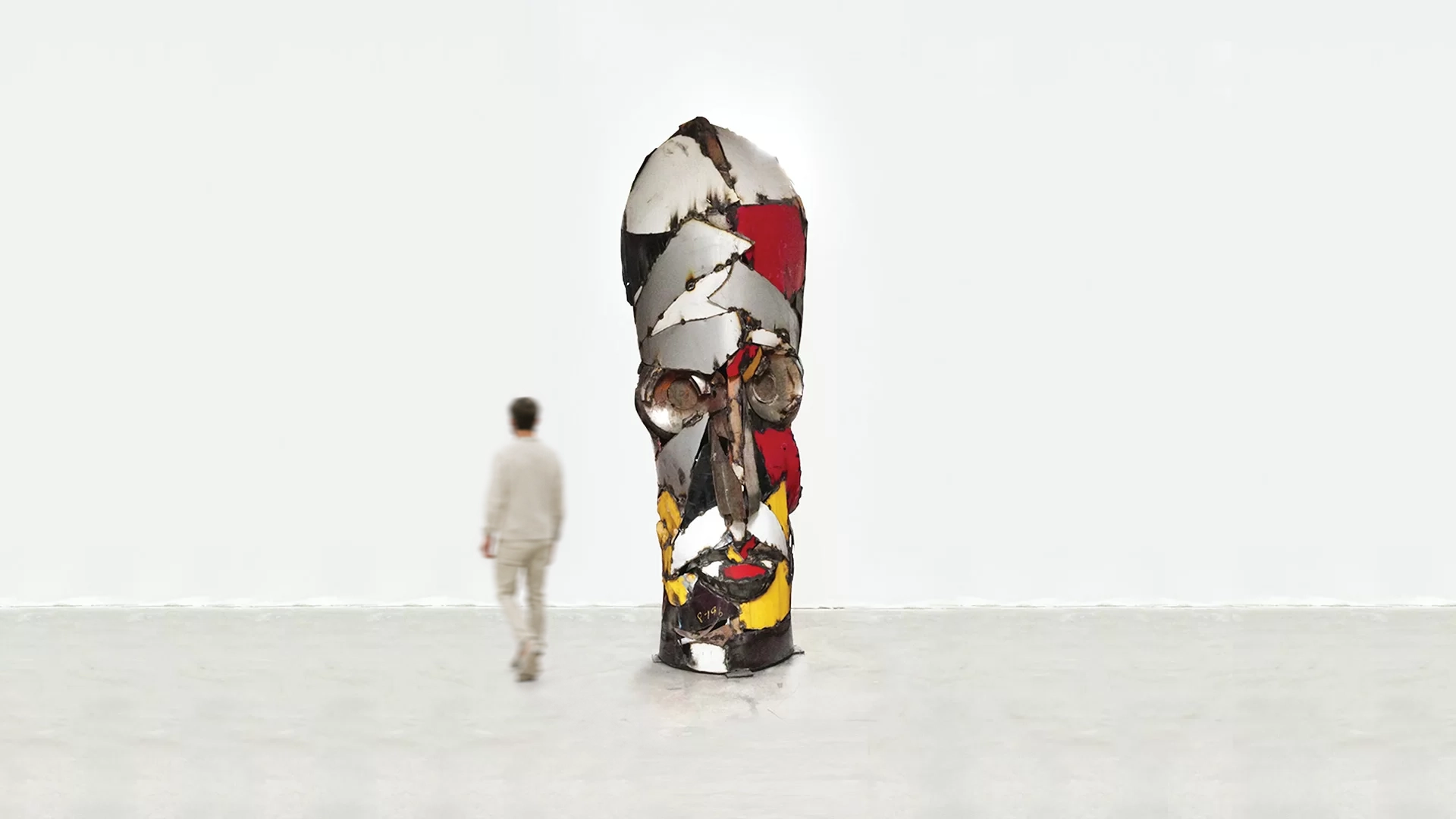
Golem · Harlem Hospital
Sculptor from New York City. From steel to screen, I follow form into story.
Artist. Sculptor. Technologist.

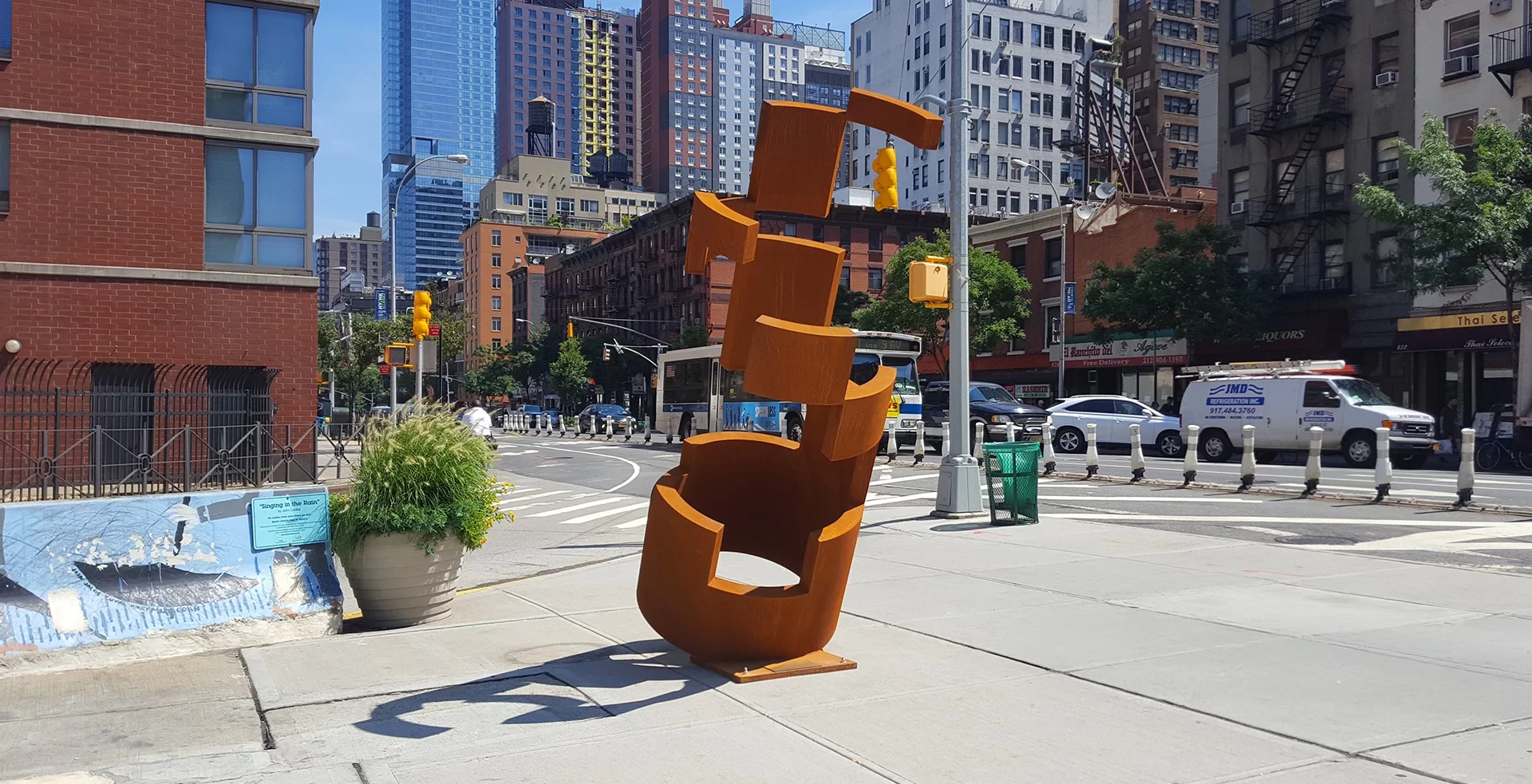
The simpler the form, the further it travels.
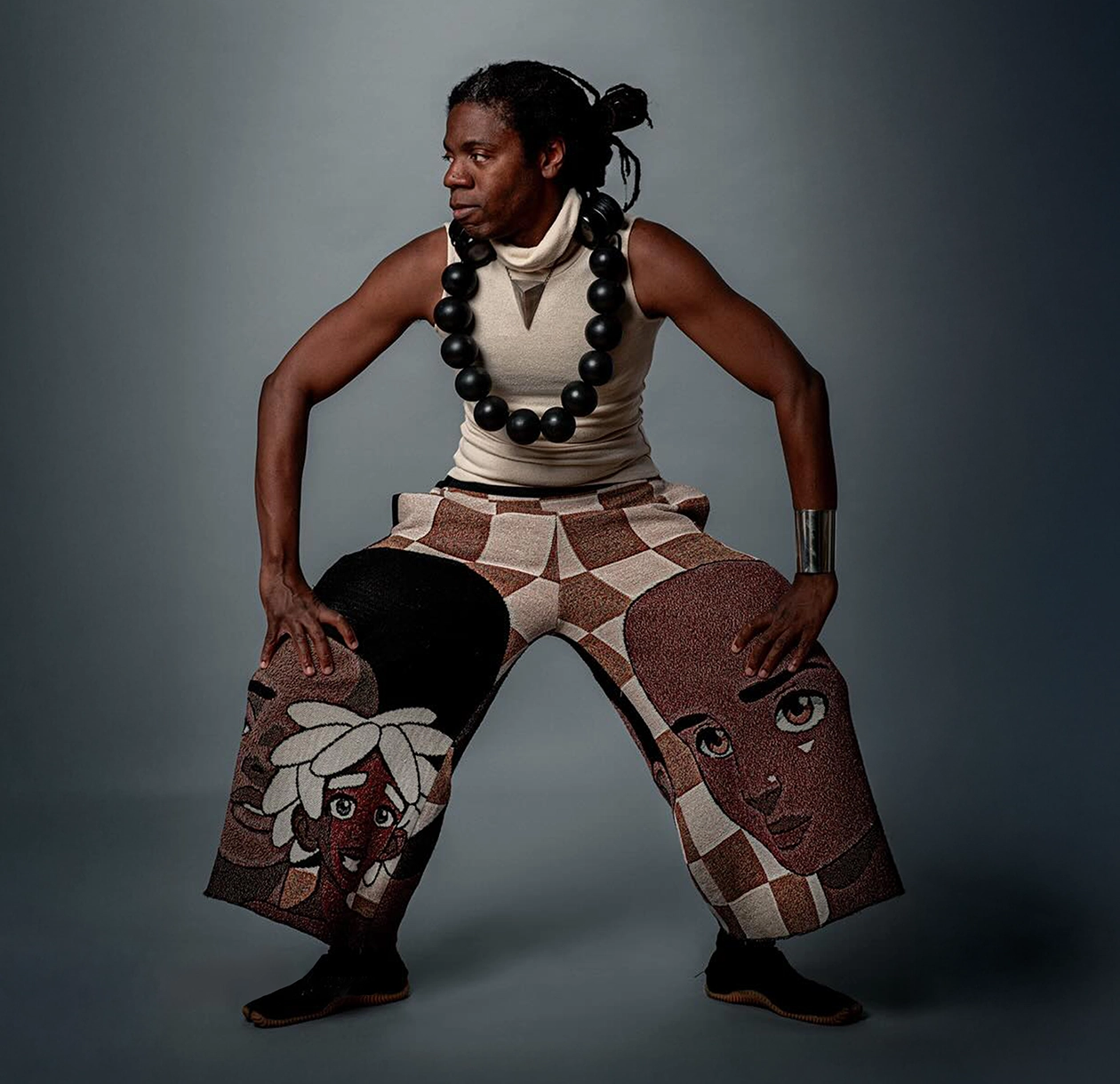
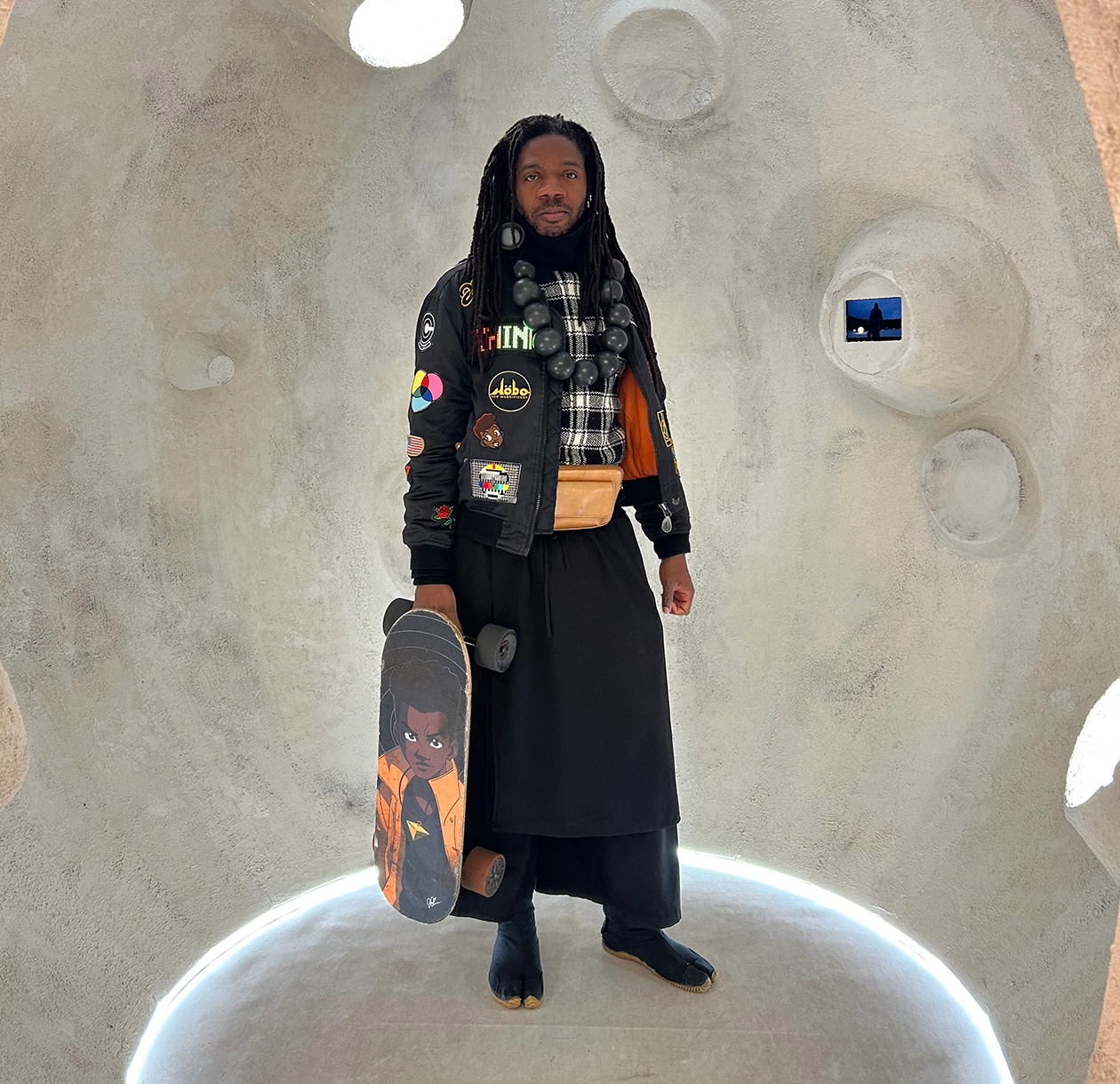

Biography
What is the most essential form a thing can take and still tell the story it carries? That question runs through everything Jordan Baker-Caldwell makes — fifteen-foot metal monuments, electronic assemblages where speakers and screens are fused into fabricated steel, sculptures that move between foundry and circuit, object and environment. An artist, sculptor, and technologist from New York City, he is the youngest artist to have two permanent public sculptures in the city, working across a material range that treats steel, bronze, found objects, and digital space as part of the same continuous field.
Baker-Caldwell was born and raised in New York City, where his mother — a pioneering jewelry designer and artist in her own right — lined the walls of their home with West African sculpture alongside paintings by Varnette P. Honeywood, Ernie Barnes, and Ellis Wilson. His father brought the other half: a hands-on curiosity about how things worked. Together they took apart and reassembled entire computers. He was already selling clay sculptures at a market by eight. The formal instinct and the tinkerer’s instinct arrived together and never separated — visible today in soldered speakers and retrofitted television screens built into metal structures.
It is an old question. Egyptian architectural relief, West African masks, religious iconography, anime character design — cultures and centuries apart, all arriving at the same discovery: that a reduced gesture can carry an entire civilization’s worth of meaning. Baker-Caldwell works within that lineage, against the backdrop of New York City — a city whose density, plurality, and layered visual culture runs through work that refuses a single story. His sculptures invite entry from multiple angles – each one revealing something different, each one part of the same formal argument. From futuristic archetypal forms to salvaged technology, Jordan’s collections reflect a lived experience that defies reduction to a single story or visual language.
Enter the archive
Join the mailing list